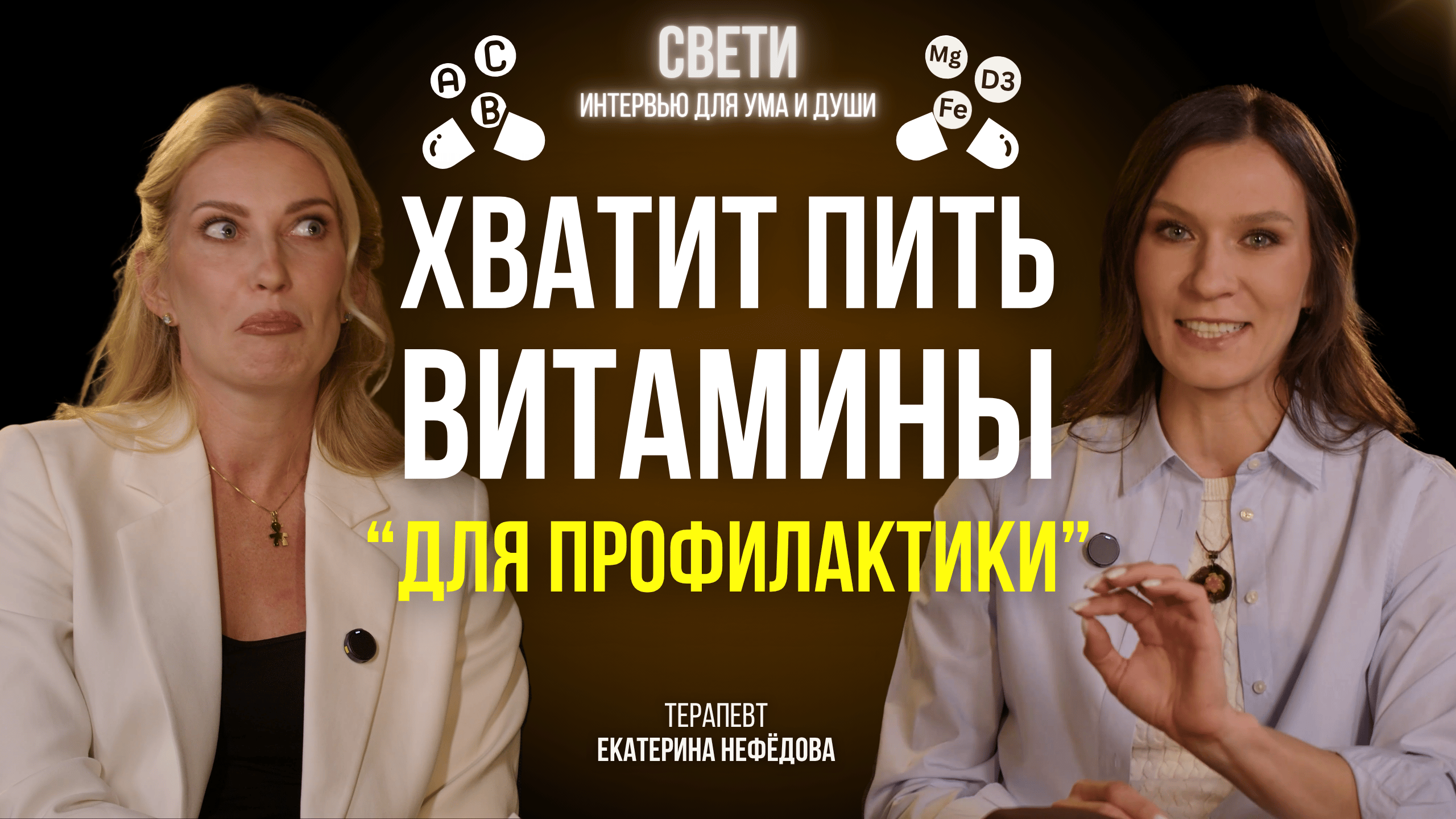

Play video
An expert can have a strong professional foundation, decades of experience and an impressive range of skills. None of that, however, guarantees that their blog will grow.
One of the reasons is surprisingly simple: experts tend to talk primarily about what they sell.
Doctors talk about diseases. Lawyers talk about legislation. Psychologists talk about psychological problems. Marketers talk about marketing.
The problem is that people rarely start by looking for an expert.
They usually start looking for one when a problem has already appeared.
That means experts who want to grow their audience need a different kind of content: topics that interest people before they have a reason to buy a service.
Sometimes the Best Way Into Your Expertise Is Through a Topic Outside Your Core Specialty
Consider a physician and a question such as:
“Can the UV lamps used for gel manicures damage DNA?”
It is not the doctor’s primary specialty. But it is a question that immediately resonates with millions of people.
A 2023 study published in Nature Communications examined the effects of radiation from UV nail polish dryers on mammalian cells. Researchers found evidence of oxidative stress, DNA damage and mutations in several cell models. Importantly, the study does not establish that routine nail salon use causes cancer in people; it demonstrates biological effects under experimental conditions and highlights an area that requires further research.
This is exactly the kind of approach we used with our client, Dr. Ekaterina Nefedova.
Instead of limiting her content to familiar topics such as diseases and symptoms, we looked for a subject at the intersection of her medical expertise and broad public interest - something familiar to a huge number of women and, at the same time, capable of triggering a very natural question:
How safe is a routine Ihave been doing regularly for years?
This is no longer just a medical fact.
It is a question that makes people stop scrolling.
And that is where something much more valuable happens.
The doctor does not rely on a sensational headline or try to frighten the audience. She examines the research, distinguishes evidence from interpretation and explains the limitations of the available data.
A person may have arrived because they wanted to know about gel manicures.
But what they leave with is something more important: an impression of how this particular expert thinks, analyzes evidence and works with facts.
They begin to trust not just a particular piece of content, but the doctor behind it.
That is one of the central functions of expert content.
Expert Content Should Create Demand - Not Just Prove Expertise
This distinction is fundamental.
If someone is already ill, they do not need much convincing that they need a doctor. The need already exists.
But how do you attract someone who is healthy, was not planning to book a consultation and was not looking for a specialist at all?
You need to find a question they care about today.
Then use that question to demonstrate the quality of your expertise.
That is how strong content works:
People arrive for the topic. They stay for the expert.
Research from LinkedIn and Edelman supports this broader principle. Their 2024 B2B Thought Leadership Impact Report found that 75% of decision-makers and C-suite executives said a piece of thought leadership had led them to research a product or service they had not previously been considering. The research also found that high-quality thought leadership can influence buyers before they enter an active purchasing process.
In other words, strong expert content can work before someone is ready to buy.
It creates interest first.
It builds trust next.
And only then can it contribute to a purchase decision.
You Don’t Always Need to Talk About Your Service
Strong expert content is often built at the intersection of three things:
Expertise → broad public interest → professional perspective.
The goal is not to move away from your profession.
It is to find the parts of your expertise that make sense to people outside your professional community.
A psychologist can talk not only about anxiety, but about why people remain in relationships that gradually drain them.
A financial expert can talk not only about investing, but about why a high salary does not necessarily create financial security.
A lawyer can talk not only about court cases, but about the legal consequences of everyday actions people take online.
This is not a departure from expertise.
It is a wider entrance in toit.
And these broader entry points can solve two problems at once: they expand your potential audience while allowing you to demonstrate a genuinely professional level of thinking.
How to Find Content Topics That Attract a New Audience: 5 Rules
1. Don’t Start With “What Am I Selling?”
Start with a different question:
“What from my professional field affects people who do not need my service yet?”
That is often where your growth topics are hiding.
2. Look for Everyday Habits
The strongest entry points are often connected to things people do regularly: eating, sleeping, shopping, exercising,raising children, working and using technology.
The more people recognize themselves in a topic, the greater its potential reach.
3. Find the Tension
Strong content often begins by challenging an assumption people already have.
“Everyone assumes this is safe. But what does the research actually say?”
“We are used to doing it this way. But there is one important detail.”
“Why might something that seems beneficial work differently in practice?”
A tension creates curiosity.
Curiosity creates attention.
And attention gives the expert an opportunity to demonstrate their thinking.
4. Check the Evidence
This is particularly important in medicine, finance and law.
You need to understand what has actually been established, what data the conclusion is based on, and where the evidence end sand interpretation begins.
Expert content should never be louder than the facts.
In medicine, this matters even more. Using fear to generate views may produce reach in the short term, but it can undermine trust in the expert behind the content.
The goal is not to make the headline as alarming as possible.
The goal is to make the analysis as credible as possible.
5. Lead the Audience Back to Your Expertise
A broad topic should never exist purely for random views.
Someone may arrive because of a question about gel polish.
But you want them to leave thinking:
“This doctor knows how to examine complex questions and explain them clearly.”
That is when the real chain begins:
Broad interest → attention→ trust → follow → deeper exposure to expertise → need → client.
This is why not every piece of content needs to sell a service directly.
Some content should capture attention.
Some should bring in a new audience.
Some should build trust.
And only later does part of that audience become clients.
The Biggest Mistake: Trying to Sell in Every Post
Experts often assume that if a post does not explain their service, it has no business value.
In reality, the opposite can be true.
If every piece of content ends with a pitch for a consultation, course or product, an expert quickly reaches the same existing audience again and again.
Growth requires a different objective:
Get someone to pay attention to you who had no intention of doing so yesterday.
That is why, for a physician, a topic about gel polish can sometimes be more valuable than another video about symptoms.
Not because it demonstrates medical expertise more directly.
But because it opens the door to that expertise for a much larger number of people.
Don’t Confuse a Broad Topic With Click bait
There is an important distinction here.
A broad topic does not mean choosing any subject that happens to generate views.
If a dentist suddenly starts talking about geopolitics simply because geopolitics is trending, they may generate attention - but they are not necessarily building a professional brand.
A strong topic should pass three filters:
It is broadly interesting.
It connects to the life ofa potential client.
The expert has a legitimate professional perspective on it.
The nail-lamp example sits precisely at that intersection.
It is relevant to a large audience.
It is connected to an everyday habit.
And a medical professional can explain what the research currently tells us, how to interpret it and, equally importantly, what the research does not allow us to conclude.
The result is not click bait.
It is a professional analysis of a question that already exists in popular culture.
What We Do at SVETI
At SVETI, we specialize in finding these broader entry points into an expert’s field.
We do not look only at what an expert knows or what service they sell.
We look for the subjects that can bring someone into their professional world before that person considers themselves a potential client.
That is what we did with Dr. Ekaterina Nefedova.
Instead of simply producing another piece of content about diseases, we identified a question connected to the everyday life of a huge number of people — and used it to demonstrate the doctor’s professional way of thinking.
Because the purpose of expert positioning is not simply to prove that someone knows their profession.
The real goal is to make a person curious about the expert before they even need the service.
That is how an audience expands.
That is how trust is built.
And that is how new demand begins.
The Goal Is Not Just Visibility. It’sNew Demand
The strongest personal brands do not wait for people to become potential clients.
They create reasons for people to discover them earlier.
They enter the conversation through questions that already matter to the audience - and then use those questions to reveal the depth of their expertise.
People may come for the topic.
They stay for the way you think.
And when the need eventually appears, they already know whom they trust.
That is the difference between content that simply generates views and content that builds an expert brand.
If this is the kind of positioning you want to build, SVETI can help you find the topics, narratives and entry points that turn expertise into audience, trust and demand.